Mahbooseh Rules
Mahbooseh is one of the oldest and most popular board games in the Arab world. Winning requires strategy, careful planning, and a little luck.
The game is played on a board divided into four sections, with six points in each section. Each player begins with 15 checkers. One player uses the white checkers and the other uses the black checkers; the colors only distinguish the two sides.
Your goal is to move all your checkers from their starting position, around the board, and into the opponent’s home section. The first player to bear off all 15 checkers wins.
Setup
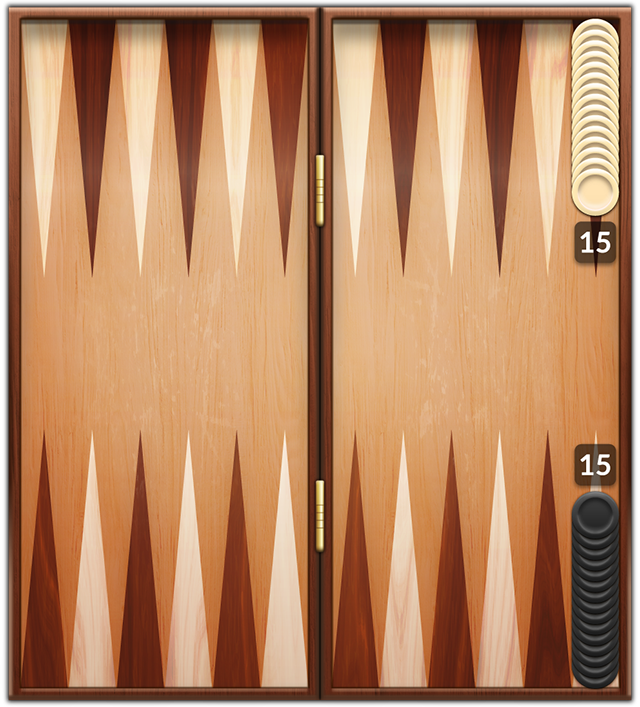
Before the game begins, each player places all 15 checkers in their starting corner. The checkers move out of this section, through all four sections of the board, and into the opponent’s home section.
Starting the Game
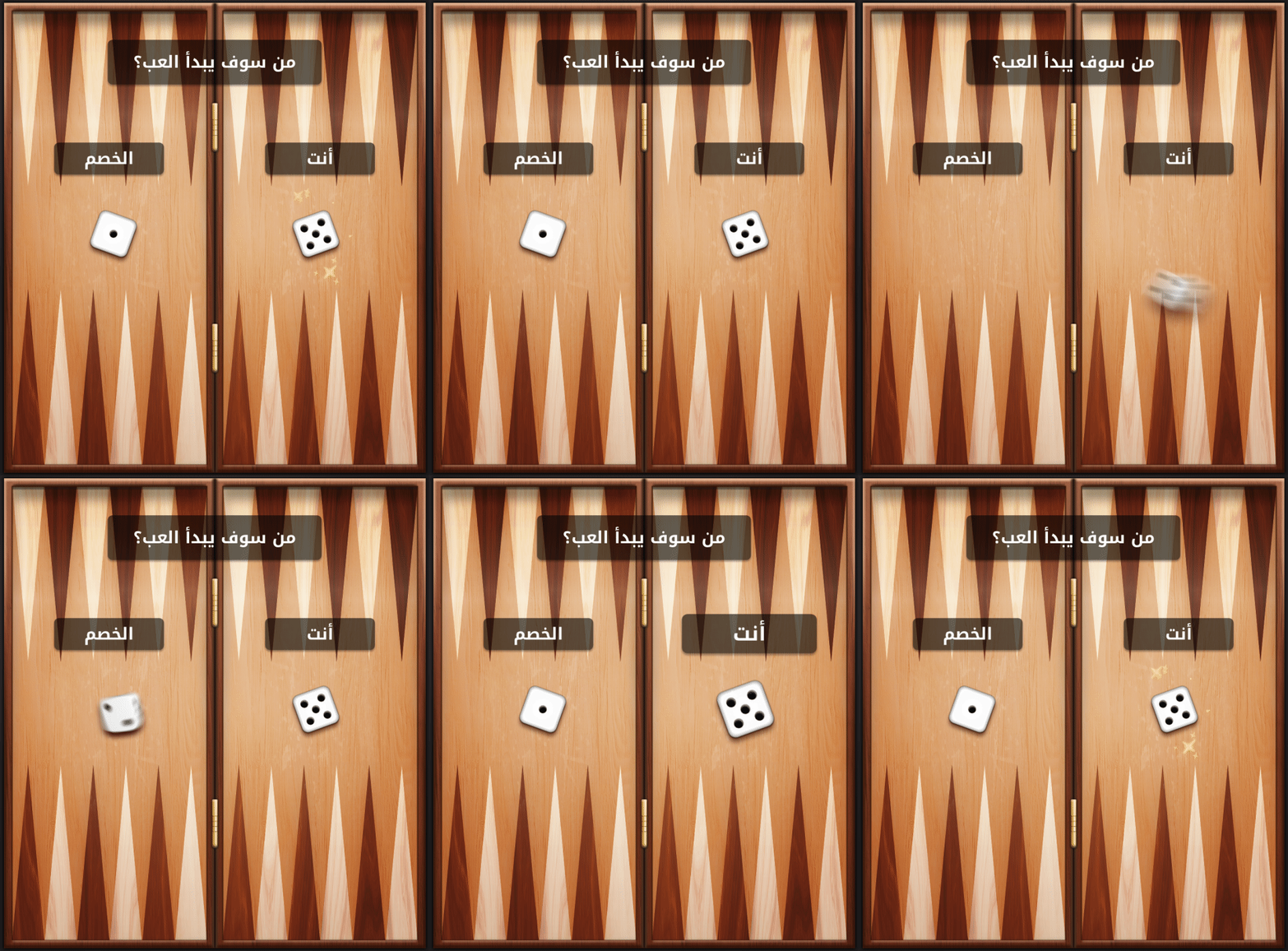
Each player rolls one die. The player with the higher roll goes first. If both players roll the same number, they roll again. The app handles this automatically at the beginning of the game.
Moving the Checkers
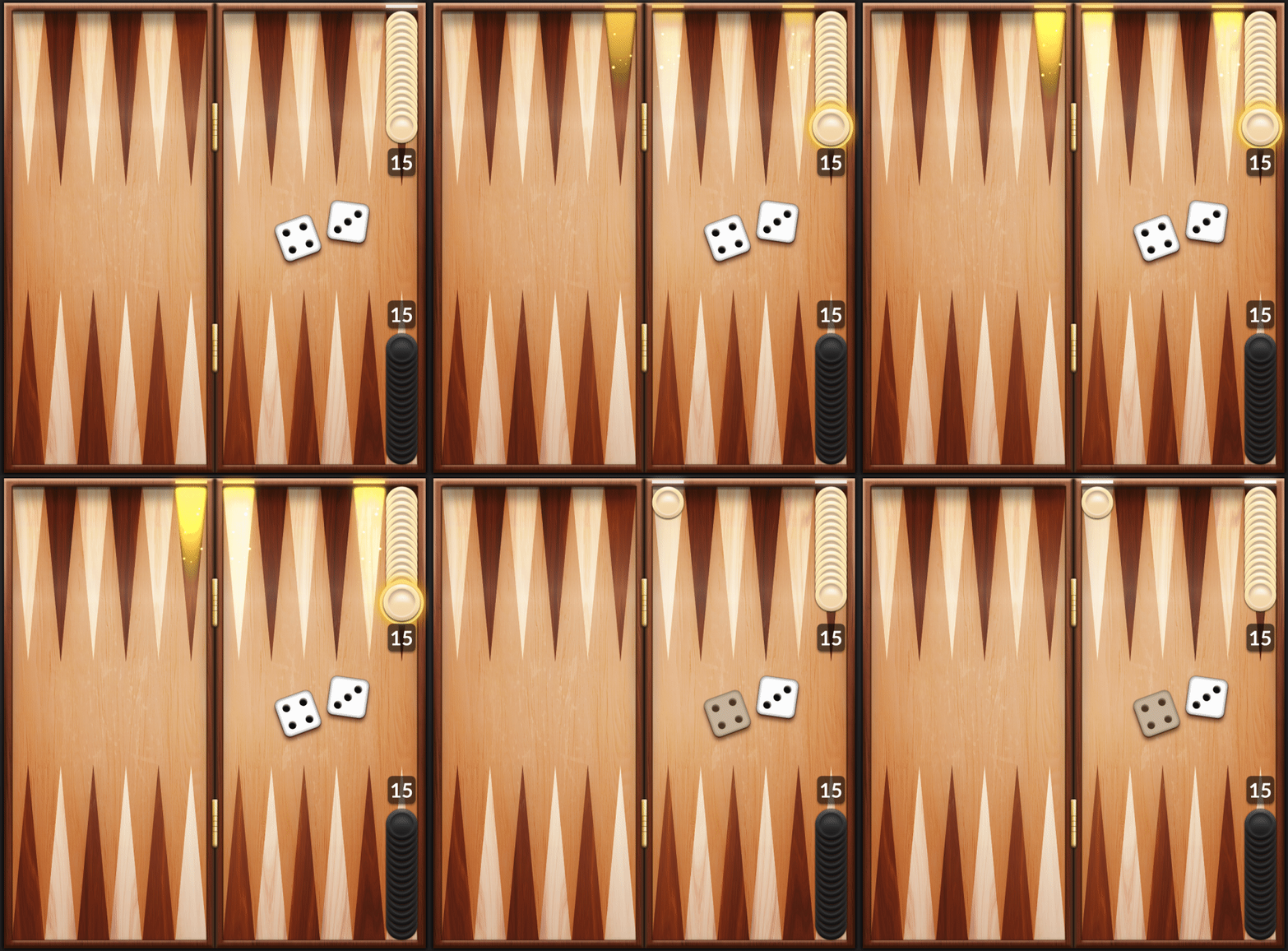
At the beginning of each turn, roll both dice. The numbers rolled determine how far you can move your checkers.
You may move one checker for each die or move a single checker using the combined value of both dice, provided each step is legal.
A checker may move to:
- An empty point.
- A point occupied by your own checkers.
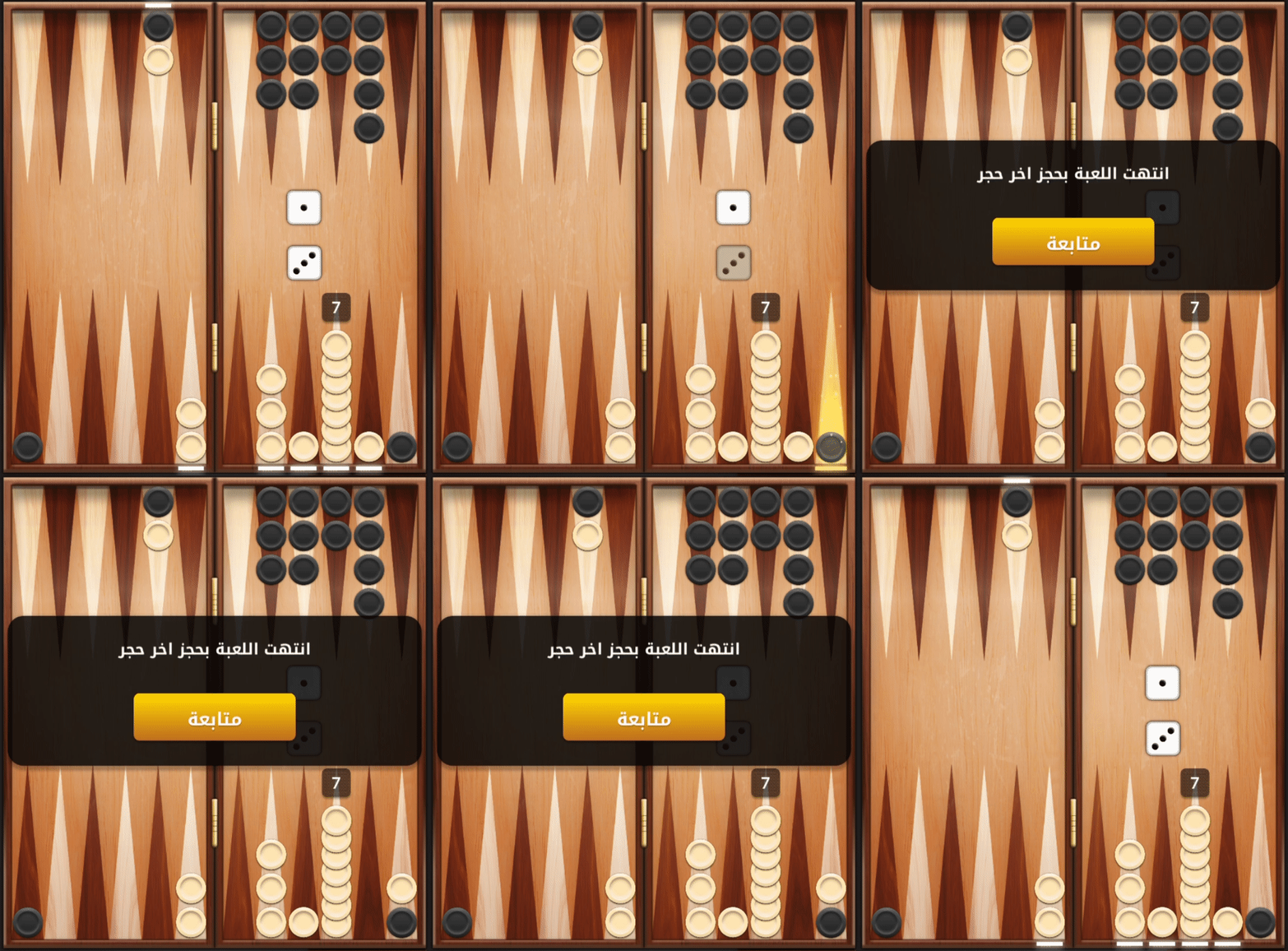
- A point occupied by only one opposing checker, allowing you to trap it.
Doubles
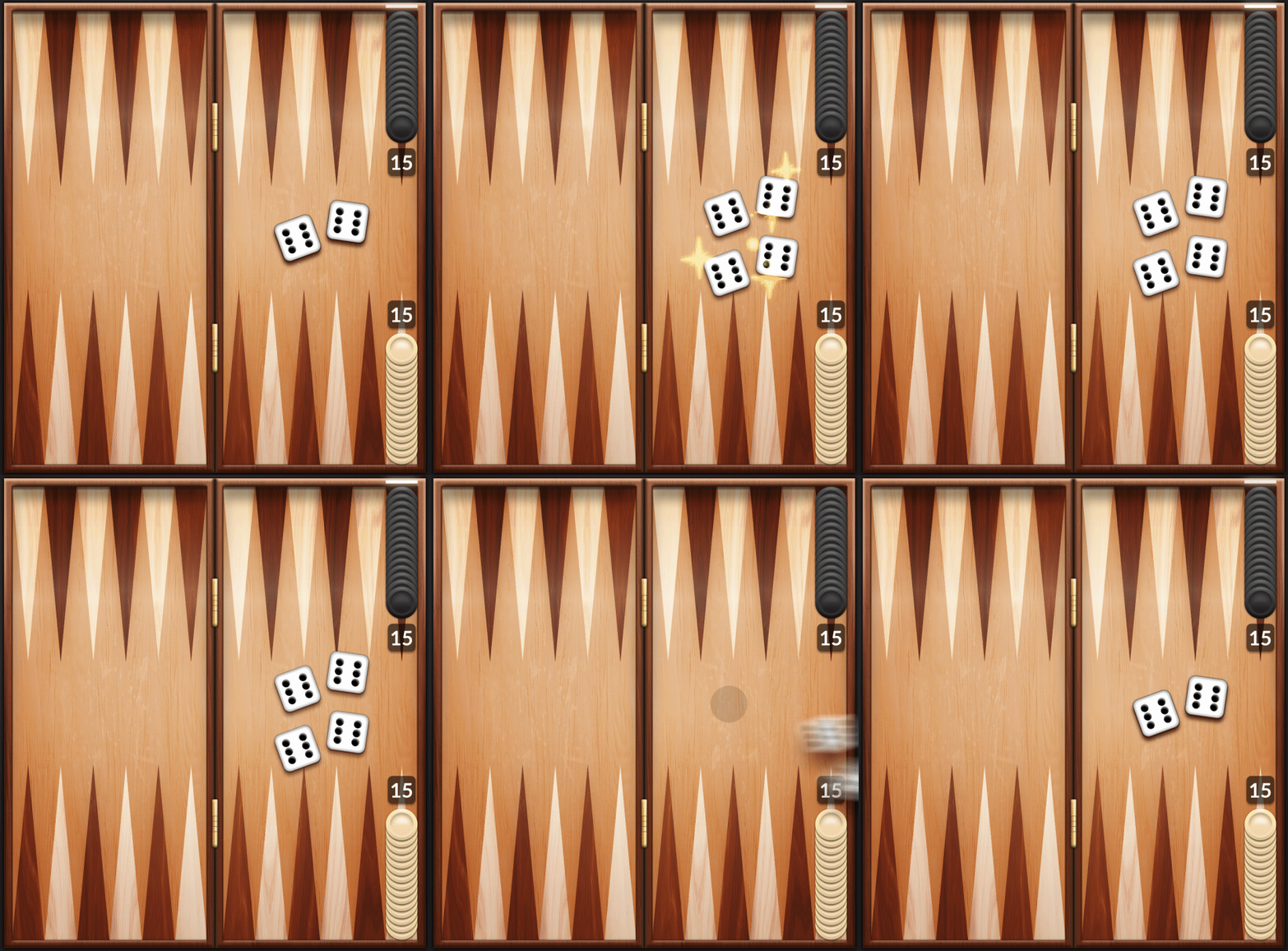
When both dice show the same number, you have rolled doubles and receive four moves of that number. For example, rolling two fives allows you to make four moves of five points instead of two.
Trapping an Opponent’s Checker
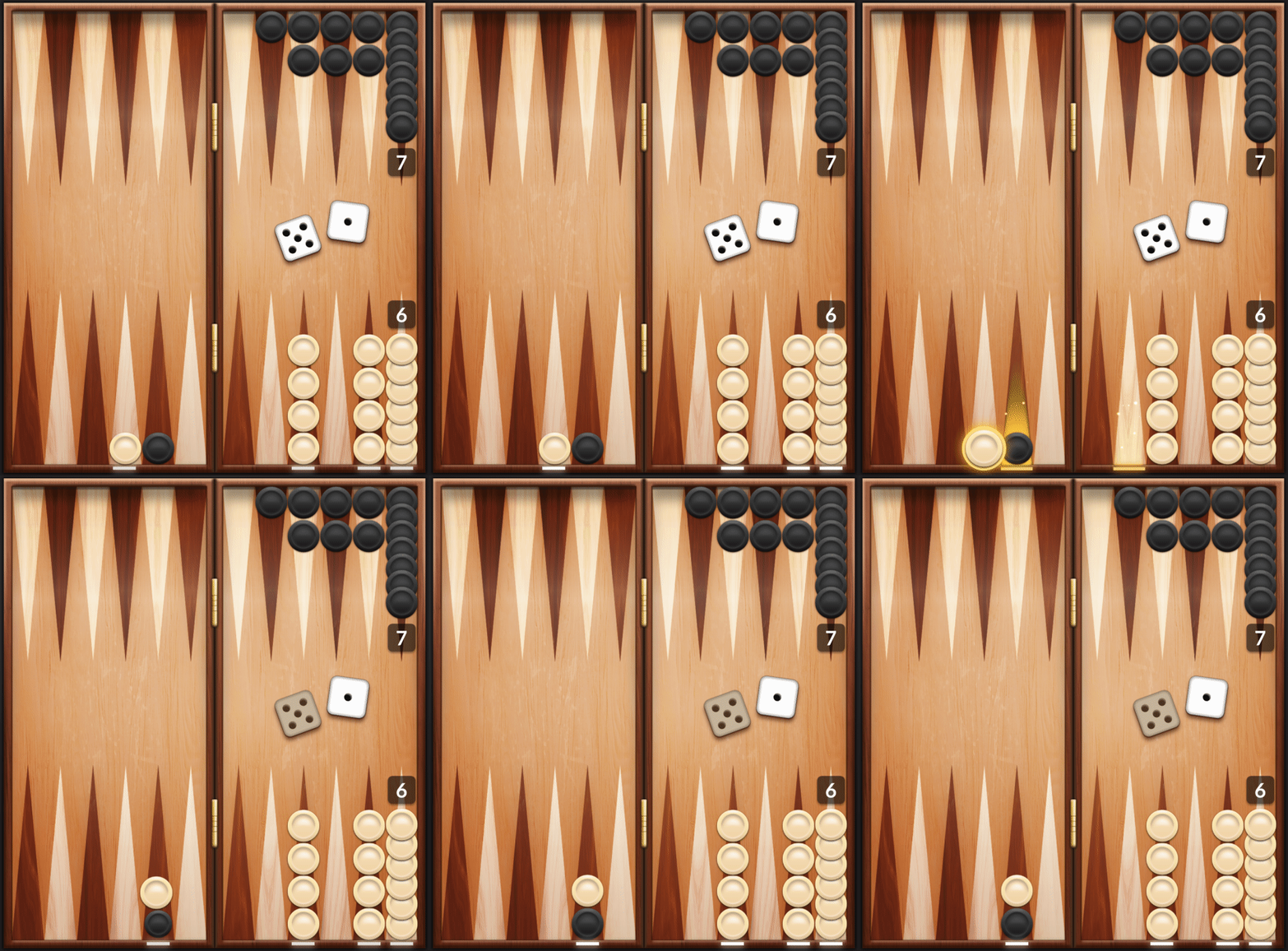
If a point contains only one opposing checker, you may land on that point and trap it. This is a central part of the game and the reason it is called Mahbooseh. Trapping your opponent’s checkers near your home section can increase your chances of winning.
A point containing two or more checkers of the same color is safe and cannot be trapped.
Bearing Off
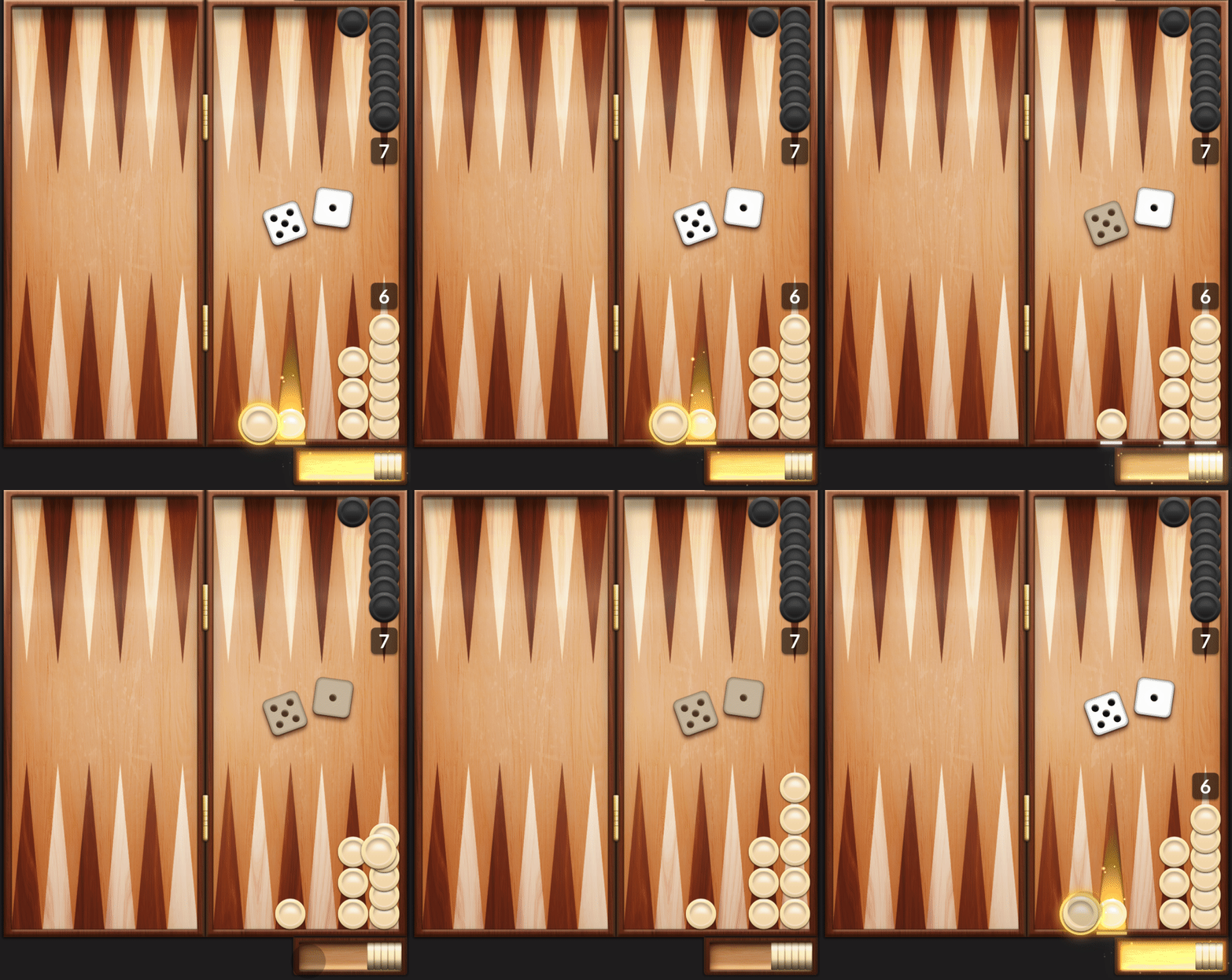
You may begin bearing off only after all your checkers have reached the opponent’s home section.
- A checker should be borne off using the exact number rolled.
- You may use a higher roll only when there are no checkers on a point matching that number.
- Bearing off is not mandatory. You may instead move a checker within the final section according to the number rolled.
Special Rules
You cannot bear off while one of your checkers in the final section is trapped by an opposing checker that has fallen behind.
In a rare situation, the game ends when a player traps the opponent’s first checker inside their own final section. Some players call this holding the checker.